
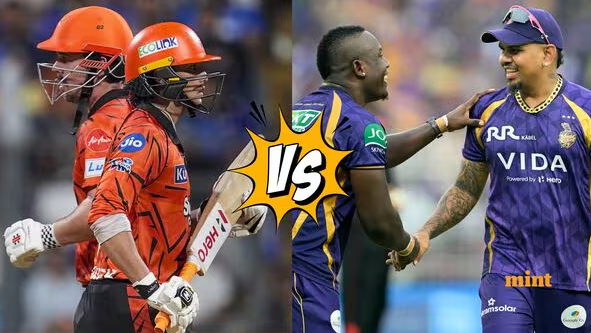
The IPL 2026 clash between Sunrisers Hyderabad and Kolkata Knight Riders on May 3 was one of those matches that completely shifted sportsbook expectations after the powerplay. What looked like another high-scoring SRH home game at the Rajiv Gandhi International Stadium suddenly turned into a tactical bowling masterclass from KKR. For bettors, live traders, and IPL casino sportsbook users, this match was a perfect example of why momentum reading matters more than pre-match hype.
From toss strategy to odds movement, almost every major betting angle changed during the game. Platforms like funinexchange saw heavy market volatility because most pre-match predictions favored Hyderabad’s explosive batting lineup and expected another 200+ total at Uppal. Instead, KKR exposed SRH’s middle-order fragility and controlled the chase with surprising calm under pressure.
SRH vs KKR IPL 2026 Final Score
Match Result
- Sunrisers Hyderabad: 165 all out in 19 overs
- Kolkata Knight Riders: 169/3 in 18.2 overs
- KKR won by 7 wickets with 10 balls remaining
Top Performers
- Travis Head: 61 off 28 balls
- Angkrish Raghuvanshi: 59 off 47 balls
- Ajinkya Rahane: 43 off 36 balls
- Varun Chakravarthy: 3 wickets
How the Match Changed Completely After the Powerplay
The first six overs gave sportsbook users the illusion that SRH were heading toward another massive total. Travis Head came out with aggressive intent and destroyed KKR’s pace attack early. His boundary percentage in the powerplay forced live betting odds heavily toward Hyderabad. Many betting exchanges reduced SRH outright odds dramatically once they crossed 80 runs inside seven overs.
That’s where most casual bettors got trapped.
The surface looked flat initially, but KKR’s spin attack identified grip and variable pace almost immediately. Once Varun Chakravarthy entered the attack, the momentum shifted completely. Head’s wicket at 105/2 in the ninth over changed the entire match dynamic because SRH’s middle order never recovered from that phase.
Professional IPL bettors usually focus on wicket clusters rather than total runs, and this match was the perfect example. SRH went from looking capable of scoring 220 to getting bowled out for 165 in only 19 overs. That collapse destroyed multiple over-run betting markets and punished users who chased aggressive live odds after the powerplay.
Varun Chakravarthy’s Spell Destroyed SRH’s Betting Momentum
Varun Chakravarthy was not just the Player of the Match. He was the biggest reason betting trends reversed so aggressively mid-game. His spell completely slowed SRH’s scoring rate and forced risky attacking shots from batters trying to rebuild momentum.
He dismissed Travis Head right after the explosive left-hander crossed fifty, and that wicket triggered panic inside SRH’s innings.
The key thing bettors noticed was how KKR used spin immediately after the field restrictions ended. This was a tactical move that many prediction models failed to factor properly before the match. Sportsbook algorithms initially priced the Hyderabad pitch as another batting paradise because of recent matches, but KKR adapted better than expected.
This is where experienced exchange bettors gained an edge. Those tracking dot-ball percentage and spin economy rates during the middle overs could clearly see SRH losing control long before the market fully corrected.
Toss Impact and Pitch Reading Were Massive Factors
One of the biggest lessons from this game was how important toss analysis remains in IPL betting strategy.
KKR chose to bowl first, and many punters initially questioned the decision because Hyderabad had recently dominated at home while batting first. But the pitch slowed considerably after the early overs. The surface offered grip for slower bowlers, especially mystery spinners and cutters into the wicket.
This is exactly why live betting differs from simple match prediction.
The sportsbook market generally reacts late to pitch behavior. Sharp bettors who noticed the slowdown after the sixth over could take advantage of inflated SRH scoring projections before odds stabilized.
Another important factor was pressure chasing versus pressure setting. SRH’s aggressive batting philosophy works when partnerships continue, but once KKR broke momentum, Hyderabad lacked stability in the middle order. The innings became overly dependent on boundary hitting instead of strike rotation.
KKR, meanwhile, approached the chase professionally rather than emotionally. Finn Allen attacked early, Rahane stabilized the innings, and Angkrish Raghuvanshi controlled the middle phase brilliantly.
Angkrish Raghuvanshi Delivered the Perfect Betting Chase
One of the most profitable live betting moments came during Raghuvanshi’s partnership with Rahane. Many sportsbook users expected KKR to collapse against SRH’s pace-heavy bowling attack after Finn Allen’s dismissal. Instead, Raghuvanshi absorbed pressure intelligently and punished loose deliveries without forcing risky shots.
His innings was extremely valuable from a betting perspective because it stabilized chase markets. In T20 betting, controlled strike rotation often matters more than raw strike rate during medium targets. Raghuvanshi’s 59 ensured KKR never lost control despite Hyderabad attempting bowling changes aggressively.
The match also highlighted why experienced bettors avoid emotional betting based on team reputation. SRH entered with strong momentum and a home advantage narrative, but KKR executed better tactically in every critical phase.
Live Betting Markets and Odds Movement
This match created huge swings across IPL betting exchanges and casino sportsbook platforms.
Key Odds Swings During the Match
- SRH became heavy favorites during Travis Head’s assault in the powerplay
- Odds reversed rapidly after Head’s dismissal
- Under-total betting markets gained major value once SRH lost wickets in clusters
- KKR chase odds shortened heavily during the Rahane-Raghuvanshi partnership
- Live wicket betting markets became highly profitable during SRH’s middle-order collapse
Many users on funin exchange reportedly chased high-risk over markets after SRH’s fast start, which became a costly mistake once spin entered the game. This match again proved that IPL betting is more about reading momentum transitions than simply backing batting-friendly venues.
What Bettors Should Learn From SRH vs KKR
This match exposed several common mistakes IPL bettors make repeatedly.
The first mistake is overreacting to powerplay scoring. SRH looked unstoppable early, but the surface behavior changed once the ball softened and spin came into play.
The second mistake is ignoring bowling matchups. KKR’s spin attack matched perfectly against Hyderabad’s ultra-aggressive middle-order style. Bettors who studied matchup data had a major advantage.
The third mistake is emotional live betting. Many casual users continue increasing stakes after aggressive starts instead of reassessing conditions objectively.
Professional sportsbook traders focus on:
- Bowling changes
- Dot-ball pressure
- Boundary percentage decline
- Spin effectiveness
- Wicket timing patterns
That is exactly what separated winning bettors from losing bettors in this game.
Final Thoughts
The SRH vs KKR IPL 2026 clash was far more than a simple seven-wicket victory. It was a tactical lesson in how T20 momentum shifts can completely destroy pre-match assumptions and sportsbook predictions.
KKR outplayed Hyderabad in bowling strategy, middle-over control, and chase management. Varun Chakravarthy’s spell changed the entire game, while Raghuvanshi’s composed innings ensured there was no dramatic collapse during the chase.
For the betting audience, this match reinforced why disciplined analysis matters more than hype-driven betting. IPL markets move fast, but smart bettors stay focused on conditions, tactical changes, and pressure moments rather than emotional momentum.
As IPL 2026 moves deeper toward the playoff race, sportsbook users on platforms like funinexchange will continue watching these tactical matchups closely because matches like SRH vs KKR prove that betting success comes from reading the game better than the market does.
