
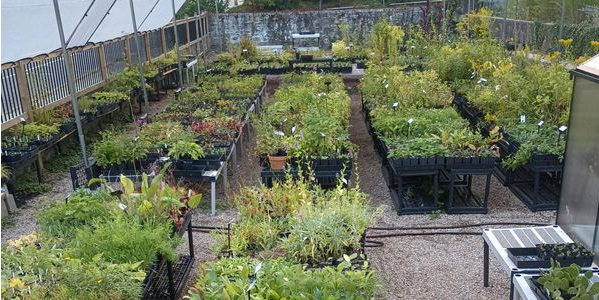
A cultivation project is not complete when the plant is cut. Handling after harvest influences appearance, aroma, moisture balance, and storage stability. Rushing this stage can reduce the quality of otherwise healthy material, while a clean and controlled process protects the work completed during cultivation. Planning should begin before harvest, so the space, tools, labels, and storage containers are ready when needed.
Decide Readiness from Several Signs
A calendar estimate is useful, but it should not be the only reason to harvest. Genetics, environment, plant health, and development speed can all affect timing. The grower should review the supplier’s general information and observe the plant rather than relying on one expected date.
Visual maturity indicators should be considered together, and any assessment method should be used consistently. The purpose is to avoid cutting simply because the plant looks large or because the grower is impatient. Waiting for appropriate development can protect the quality created during the previous stages.
Prepare a Clean Work Area
Harvest tools, gloves, trays, hanging supports, labels, and storage materials should be organized in advance. The area should be clean, low in dust, and protected from unnecessary handling or foot traffic.
Plants or branches should remain clearly labeled when several varieties are involved. Losing identification at harvest makes later evaluation and repeat purchasing difficult. Labels should remain readable throughout drying and storage so that batches are not accidentally mixed.
Handle Plant Material Gently
Aromatic compounds and delicate surface structures can be affected by rough handling, heat, and unnecessary contact. Branches should not be compressed, dropped, or thrown into piles. Work surfaces and containers should be suitable for plant material and easy to clean.
A quality plant from a homegrown plant nursery can still lose value if it is bruised, contaminated, or exposed to poor conditions after cutting. Post-harvest handling is part of quality control rather than a separate afterthought.
Design a Stable Drying Environment
The drying area should be dark, clean, and capable of maintaining moderate, stable conditions. Extreme heat can cause rapid moisture loss and reduce aroma, while excessive humidity or poor airflow can increase the risk of spoilage.
Air should move through the room without blowing directly and continuously on the plant material. Strong airflow may dry outer surfaces too quickly while moisture remains inside denser areas. The goal is even, controlled moisture reduction rather than the fastest possible drying time.
Avoid Drying by a Fixed Number of Days
Branch size, plant density, room conditions, and preparation method all affect drying time. A rigid schedule can lead to material being stored while still too moist or becoming overly dry before storage.
The grower should observe texture and moisture changes consistently. Records from one cycle can provide a useful starting reference for the next, but the actual room conditions should guide the final decision.
Areas of the room may also dry at different rates. Material positioned close to airflow may change faster than branches placed in a sheltered corner. Regular inspection helps identify uneven conditions before they affect an entire batch.
Choose a Trimming Approach That Fits the Goal
Some growers remove more leaf material before drying, while others trim after moisture has reduced. Each method affects handling time, drying speed, and presentation. The choice should fit the available room, environmental stability, and intended use rather than follow a trend automatically.
Clean tools and careful labeling matter more than whether one trimming style is considered fashionable. Tools should be inspected regularly so residue does not build up or transfer between batches.
Move into Storage Gradually
Storage containers should be clean, dry, and suitable for the material. Overfilling reduces the ability to inspect and redistribute contents. Early storage requires regular attention because moisture can continue moving from the center of the material toward the surface.
Any unusual smell, visible moisture, or signs of spoilage should be investigated immediately. Material from different plants or batches should not be mixed until its condition is understood.
Gradual storage also gives the grower time to identify whether one batch needs additional drying. Moving everything into sealed containers at once may hide differences in moisture level.
Protect Aroma from Heat and Light
Many aromatic compounds are volatile. Warm storage, direct sunlight, and repeated opening can reduce their intensity over time. A cool, dark, stable location is generally preferable to a shelf near a window, heater, or other temperature source.
Containers should be opened only as needed, and long-term storage should be organized so older material is reviewed before newer batches. Stable conditions are more valuable than frequent movement between different locations.
Keep the Process Traceable
A post-harvest log can include harvest date, variety, room conditions, drying observations, storage date, and later quality notes. These records help the grower compare genetics and identify whether a problem began during cultivation, drying, or storage.
For homegrown weed plants, traceability is especially useful when the grower wants to repeat a successful result. Memory alone can confuse details after several cycles, particularly when multiple varieties are involved.
Separate Quality from Strong Claims
Aroma, appearance, and subjective experience can vary between people and environments. Post-harvest handling can protect plant quality, but it cannot guarantee a particular effect or medical outcome.
Responsible content should avoid promising that one technique will create an exact result. The purpose of a controlled process is consistency, stability, and protection from preventable quality loss.
Review the Drying Area for Safety
Electrical equipment, fans, hanging supports, and access routes should be secure. The space should not create fire, mould, electrical, or trip hazards. Equipment should be used according to manufacturer instructions, and children or pets should not have access.
Cultivation, possession, handling, and storage must remain within current legal and property requirements. Regulations may differ by jurisdiction and property type.
Evaluate the Result Before the Next Cycle
After storage has stabilized, the grower can compare appearance, aroma, moisture, and handling quality with the original goal. Notes about what worked and what did not can improve the next plan.
If one area dried faster than another, airflow or spacing may need adjustment. If material entered storage too moist, the readiness check should be revised. A review turns one cycle into practical guidance for the next.
Use Small Batches to Improve Control
When several plants are ready at different times, processing them in smaller labeled batches can make the final stage easier to manage. Each batch may dry at a different rate because branch size, density, and room position vary.
Keeping them separate prevents one group from being stored too early simply because another appears ready. Small batches also make records more meaningful and help the grower compare how each variety responded.
Conclusion
Harvest, drying, and storage are connected stages of one quality-control process. Readiness should be judged carefully, plant material should be handled gently, and moisture should be reduced in a stable environment before storage.
Clean tools, clear labels, moderate conditions, small batches, and written records protect consistency. A patient final stage cannot correct every earlier problem, but it can preserve the quality that the plant developed during cultivation.
